

John recorded seven miracles the Lord performed so we could know the authority of God’s Word and the Power that comes from understanding God’s perfect love is ours to be experienced. Yes, John traveled into miraculous realms with Jesus to be His witness declaring how integral a relationship with God and His Word of Truth and His Spirit of Grace for surely what is impossible for man, with God surely all things are possible (Mark 10:27).
- Jesus turned water into wine at the wedding in Cana. Jesus is the Lord of Nature – changing one substance into another. Jesus the Mediator of God’s New Covenant. This miraculous sign symbolizes His power to transform the old, stone-cold ways of the Law into the superior, joyful new covenant of God’s amazing grace. Abundant Grace – which the massive quantity of high-quality wine Jesus created points to the extravagant and abundance of grace and truth He offers to humanity. By providing the wine for the wedding feast, Jesus is presented as the Divine Bridegroom, fulfilling Old Testament prophecies of God celebrating a new relationship with His people.
- Healing of the official’s son. Jesus is the Lord of Life, Who gives life on the condition of faith. Faith in God and His Word – The Roman official’s belief in God’s Word alone, without needing to see the miracle happen in person, demonstrates the nature of true faith. Life through Jesus – The healing of the boy from a distance proves the Word of God is life-giving and effective, a central theme in John’s Gospel. Healing for all – This miracle highlights Jesus’s saving power extends to everyone who seeks Him.
- Healing of the paralytic at Bethesda. Jesus is the Restorer of lost power. No matter how sinful a person may be Jesus is able to give life to the spiritually dead. God’s Word superior over man-made law – Jesus healed the man on the Sabbath, deliberately breaking the Jewish leader’s man-made traditions. This demonstrates Jesus’s authority and compassion supersedes the hypocrisy of rigid rules. Spiritual wholeness- This miracle symbolizes the inner healing, deliverance and salvation that only Jesus can provide. From victim to victor – Jesus asked that man, “Do you want to get well?” challenging his victimhood and self-pity, showing true healing requires active engagement with Jesus.
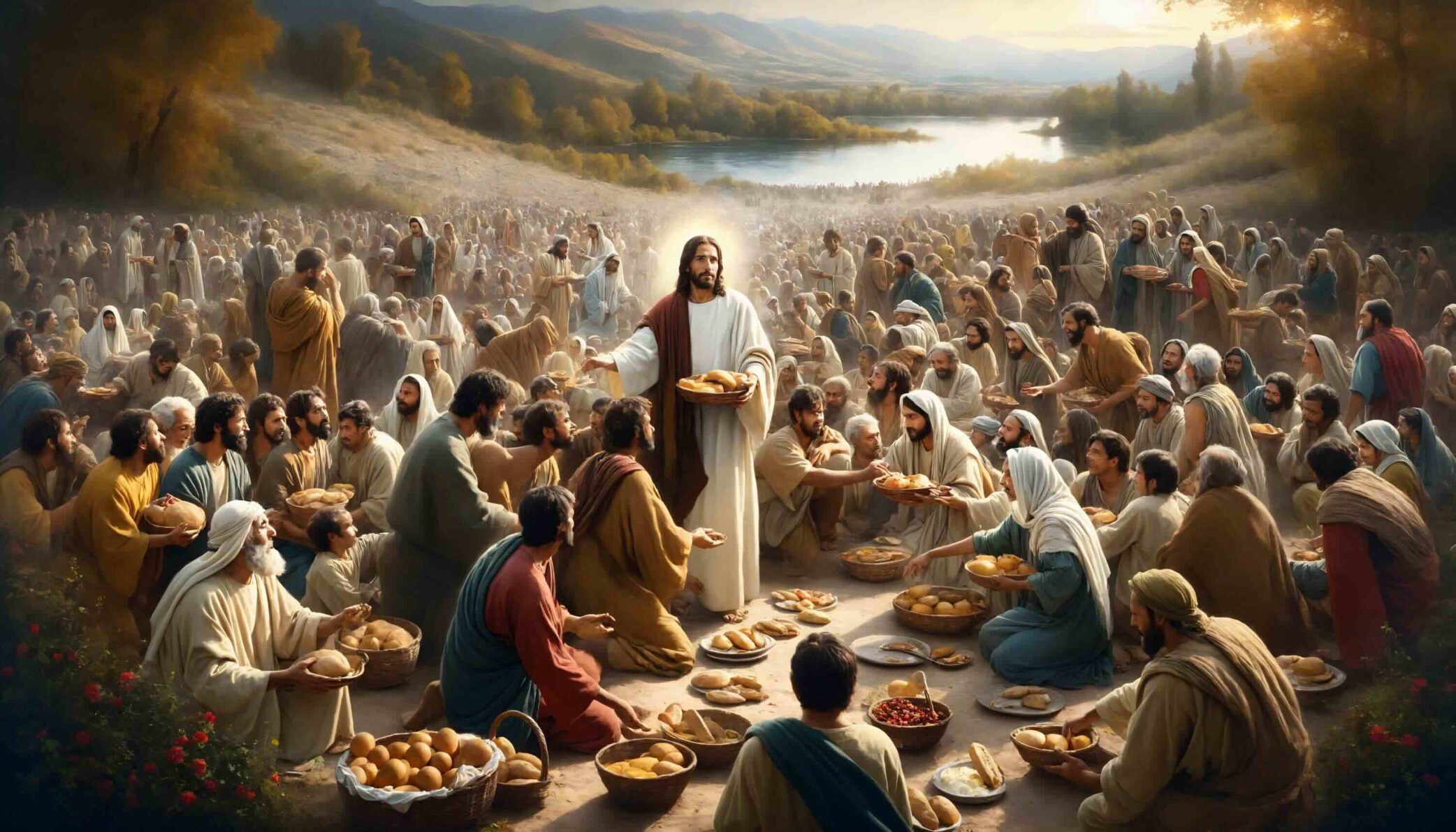
- Feeding of the 5,000 – God’s Word is the food by which we live. The Bread of Life is able to sustain the spiritual life He creates. It is after this miracle Jesus declares Himself the “Bread of Life,” positioning Himself as the fulfillment of Israel’s long wait for a new exodus. Just as God provided manna in the wilderness, Jesus provides spiritual sustenance that gives eternal life. Extravagant provision – The multiplication of the loaves and fish, with 12 baskets of leftovers, shows God’s generous and abundant provision for those who follow Him. God’s sufficiency – The miracle contrasts the disciples’ hopelessness with Jesus’s power. It illustrates when we offer Jesus our small resources, He can multiply them beyond all expectation.
- Jesus walks on water – Jesus is our Guide and Helper. He comes to His disciples. No barrier can keep Him away from His disciples in their times of need. His authority over chaos – In the ancient world, the sea symbolized chaos and evil. Jesus walking on the stormy sea demonstrates His divine authority over all forces of evil, nature and chaos. “It is I; do not be afraid” – The disciples were terrified, but Jesus’s words “It is I” echoed God’s name from the Old Testament, revealing His deity and reassuring them of His presence. Fulfillment of Exodus – In John’s Gospel, this event serves as a symbolic parallel to the Red Sea crossing, with Jesus leading His people safely through dangerous waters.
- Healing the man born blind – Jesus is our Light. He enables every person who is obedient to what they know of Christ to find greater truth. Spiritual vs. physical sight – The story contrasts the physical sight received by the formerly blind man with the spiritual blindness of the Pharisees who refused to believe. Divine purpose – Jesus explains the man’s blindness was not a punishment for sin but so “the works of God might be displayed in him.” This shows how God can use suffering for His ultimate glory. Worship and belief – The formerly blind man’s journey from physical darkness to worshipping Jesus models the journey of faith from initial perception to the Fear of the Lord full adoration and reverence for Jesus as Lord.
- Raising of Lazarus – Jesus is the Lord of eternal life. His gift of life does not end with the physical death of our body. Jesus, the Resurrection and the Life – Before raising Lazarus, Jesus explicitly declared, “I am the Resurrection and the Life,” proving His power over Death. Foreshadowing His own resurrection – The most powerful of the signs, this miracle sets the stage for Jesus’s own death and resurrection, demonstrating those who believe in Him will never truly die. Cause of the crucifixion – The raising of Lazarus was the immediate catalyst that prompted the Jewish leaders to plot the Lord’s death, as they feared His growing popularity.
Father, I ask You to grant to Your servants that with all boldness
They may speak Your Word, while You stretch out Your hand
To heal, and that signs and wonders may be done
Through the name of Your holy and precious Servant Jesus
Acts 4:30